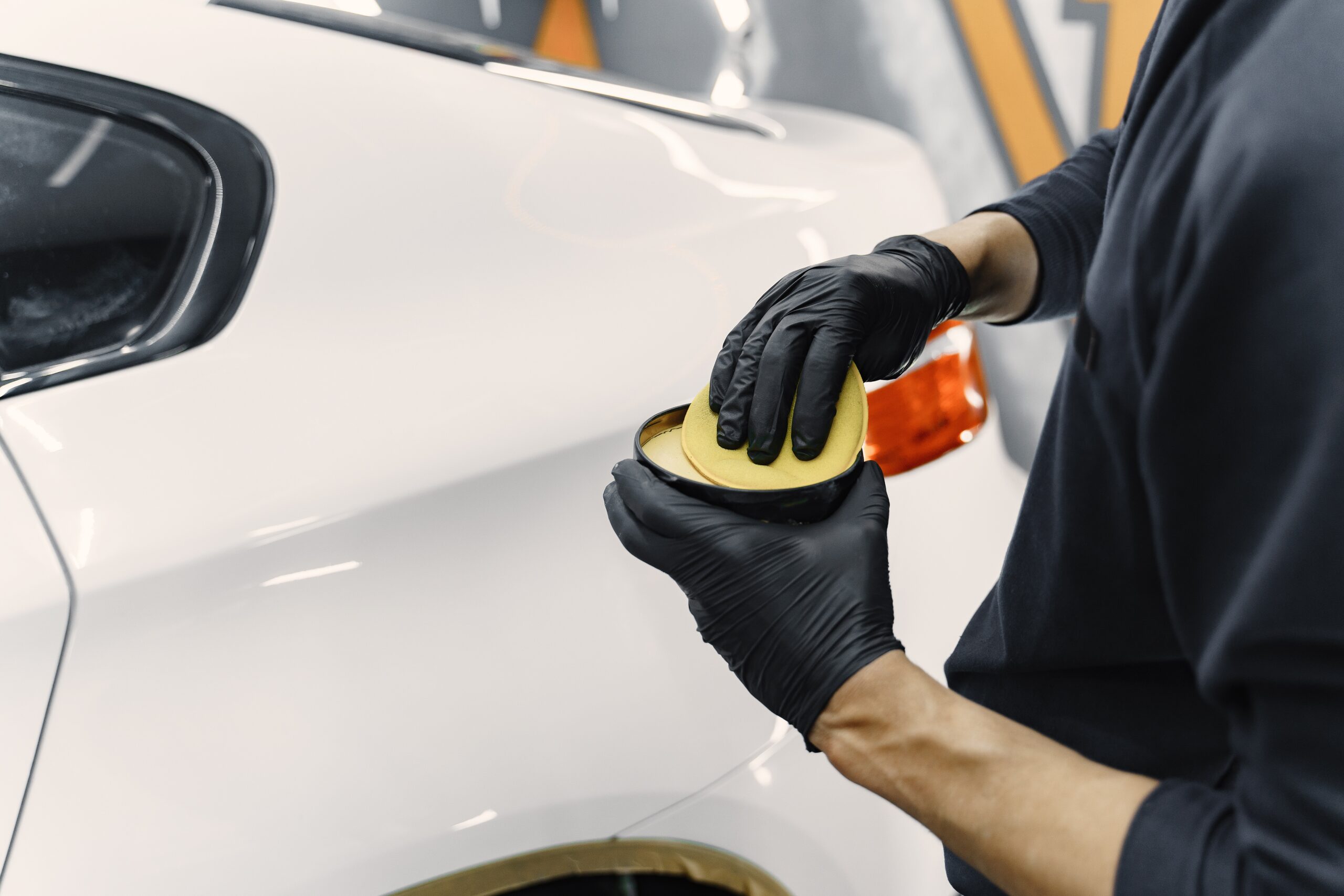
In today’s world, regular car care has become a necessity. Drivers increasingly want their vehicles to remain visually attractive for longer, retain their value, and require less constant effort and additional expense. Everyday conditions—rain, dirt, UV rays, road salt, and aggressive chemicals—have a direct impact on a car’s bodywork. As a result, more attention is being paid not only to washing but also to long-term vehicle protection.
As driving habits evolve, more and more people are looking for solutions that are effective, durable, and practical for everyday use. Traditional waxing or temporary protective products do not always meet these expectations, which is why ceramic coating is rapidly gaining popularity. It is one of the most advanced technologies for protecting automotive paint, providing exceptional gloss and real protection against environmental damage.
Ceramic coating is valued for its ability to simplify car maintenance—the vehicle stays clean longer, is easier to wash, and maintains its aesthetic appearance for months or even years. It is a solution for those who value their time, want to reduce long-term maintenance costs, and enjoy a flawless-looking car every day.
What Is Ceramic Coating?
Ceramic coating is an advanced automotive paint protection technology developed using nanotechnology. It is most commonly based on silicon dioxide (SiO₂), which chemically bonds to the paint surface when applied to the vehicle’s body. Unlike temporary protective products, ceramic coating forms a strong, transparent, and highly durable protective layer that effectively becomes an additional part of the paintwork.
How Does Ceramic Coating Work?
Once a nano coating is applied to a car, its microscopic particles fill the pores and imperfections in the paint, creating a smooth, slick, and hydrophobic surface. As a result, water, dirt, and contaminants do not adhere to the body, while UV rays and chemicals are prevented from damaging the paint structure. This is why ceramic coating ensures long-term paint protection and helps preserve color depth and gloss.
How Is Ceramic Coating Different from Wax or Synthetic Coatings?
Traditional waxes or synthetic polymer coatings only work on the surface and last for a relatively short period—from a few weeks to a few months. Ceramic coating, on the other hand, stands out for its durability (6–24 months or even longer), higher resistance to environmental factors, and significantly easier maintenance. The car stays clean longer, requires less frequent washing, and the protection remains stable even under intensive use.
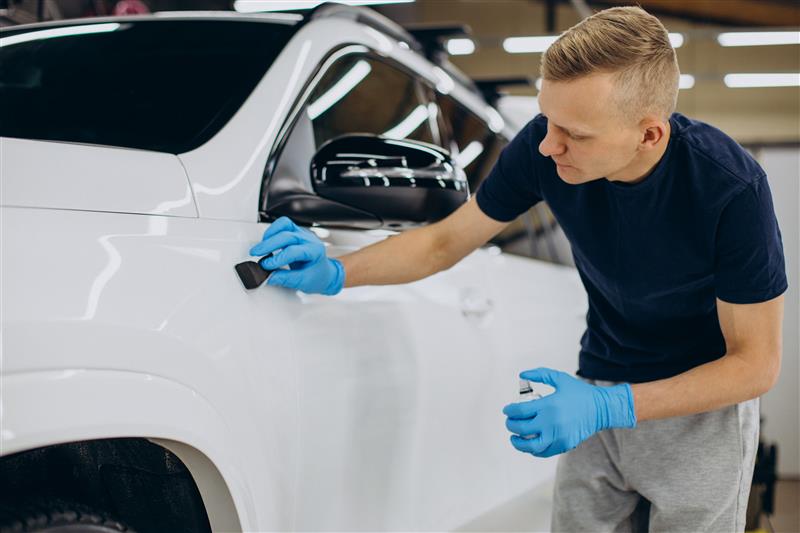
Main Advantages of Ceramic Coating
One of the most important benefits of ceramic coating is long-term paint protection. The protective layer formed on the body acts as a barrier between the paint and aggressive environmental elements. Ceramic coating effectively protects against UV rays, which over time cause paint fading and oxidation. It also reduces the negative effects of chemicals, road salt, acid rain, and bird droppings, which can cause paint damage or stains. As a result, the vehicle’s surface remains intact and aesthetically pleasing for much longer.
Another highly valued advantage is the hydrophobic effect. A hydrophobic coating creates a slick surface from which water, dirt, and dust simply slide off. While driving or during rain, contaminants accumulate less, allowing the car to stay cleaner for longer. This significantly simplifies washing—often plain water or a mild cleaning product is sufficient.
The visual aspect is equally important. Ceramic coating enhances color depth, creates a so-called “wet look” gloss, and gives the vehicle a premium appearance. Even a daily-driven car looks neat, shiny, and as if it has just left the showroom.
How Does Ceramic Coating Simplify Car Maintenance?
One of the greatest everyday benefits of ceramic coating is significantly simplified vehicle care. Thanks to its hydrophobic properties, dirt, dust, and water adhere much less to the body surface, allowing the car to remain cleaner for longer. Even after rain or driving in poor conditions, the vehicle looks tidier compared to one without protective coating.
Ceramic coating also ensures easier and safer cleaning. Since contaminants do not stick strongly to the surface, there is no need to use aggressive chemicals to remove them. This reduces the risk of micro-scratches, which often occur due to improper washing. Gentler maintenance helps preserve the original condition and gloss of the paint for a longer time.
In the long run, ceramic coating also becomes a cost-effective investment. The need for frequent waxing, polishing, or paint restoration is reduced. Although the initial application may cost more, lower maintenance expenses and time savings eventually offset the initial investment.
Does Ceramic Coating Really Protect Against Scratches?
One of the most common questions regarding ceramic coating concerns its ability to protect against scratches. Here it is important to separate myths from reality.
Ceramic coating does not make a car completely scratch-proof—it will not stop deep scratches caused by stones, keys, or mechanical impacts. However, the hard protective layer it forms effectively helps reduce micro-scratches and other marks that typically occur during improper washing or everyday use.
Ceramic coating increases surface slickness, meaning that during wiping or washing, contaminants cause less abrasion to the paint. This is especially relevant for those who want to preserve their vehicle’s appearance for longer and reduce the need for frequent polishing.
In cases where maximum protection is required, additional solutions are worth considering. Transparent PPF (Paint Protection Film) effectively protects against stone chips, deep scratches, and mechanical damage. Combined solutions are also popular—PPF is applied to the most vulnerable areas, while the entire vehicle is coated with ceramic coating, ensuring an optimal balance between protection and aesthetics.
Ceramic Coating Lifespan
The lifespan of ceramic coating can range from several months to several years, depending on the quality of the coating and operating conditions. Professional, high-concentration ceramic coatings typically last 12–24 months or even longer, but actual durability depends on several key factors.
Driving conditions play a major role—frequent city driving, short trips, winter road salt, or outdoor parking can weaken the protective layer more quickly.
Driver maintenance habits, washing methods, and the specific type of ceramic coating used are equally important.
Proper care can significantly extend the effectiveness of ceramic coating. Hand washing using mild, pH-neutral shampoos designed for coated vehicles is recommended. Aggressive chemicals and automatic car washes with stiff brushes should be avoided, as they can damage both the coating and the paint. Soft microfiber towels and the two-bucket washing method are also advised.
Periodic maintenance, such as coating refresh sprays or professional inspections, helps maintain hydrophobic properties and gloss. Following these recommendations allows ceramic coating to remain effective for a much longer time.
Who Benefits Most from Ceramic Coating?
Ceramic coating is a versatile solution suitable for different vehicles and driver needs. It is beneficial for both new and used car owners, as well as for those who place high value on appearance or want simpler daily maintenance.
For new vehicles, ceramic coating helps preserve factory condition from the very first days of use. Although new car paint looks flawless, it is not protected from environmental factors such as UV rays, dirt, road salt, or minor scratches. Applying ceramic coating early creates a long-term protective layer that helps maintain original gloss, color depth, and reduces future wear.
For used cars, ceramic coating is an excellent way to refresh appearance. Prior to application, polishing is often performed to remove minor defects, and the ceramic coating then “locks in” the renewed surface. This not only improves aesthetics but also increases market value, especially when preparing a vehicle for sale.
Is Ceramic Coating Worth the Investment?
The main benefit of ceramic coating is easier vehicle maintenance—dirt and water do not adhere to the surface, meaning less frequent washing and reduced use of aggressive chemicals. Ceramic coating also provides long-term protection against UV rays, oxidation, chemical exposure, and micro-scratches, helping keep the paint in excellent condition for many months or even years.
The aesthetic value is undeniable as well—the car’s color appears deeper, and the surface shines as if it has just come out of the showroom. Ceramic coating is therefore not just a cosmetic upgrade, but a practical solution for everyday drivers who want to reduce maintenance costs and enjoy a flawless-looking vehicle for longer.
Visit Hocus
If you want to give your car maximum gloss and protection, visit the Hocus detailing center and learn more about professional ceramic coating services.